About
The SPARCliN Lab develops advanced signal processing and AI methods for clinical neuroscience. We focus on extracting meaningful patterns from complex brain data to improve diagnosis and treatment.
Based at Maastricht University, Department of Neurosurgery and MHeNs, and in close collaboration with TU Delft, Signal Processing Systems Group, we bridge engineering, neuroscience, and clinical practice.
Research
AI in Neuroimaging
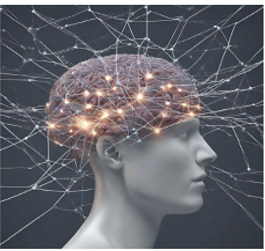
Machine learning and signal processing for EEG, fMRI, and functional ultrasound data.
Epilepsy & Biomarkers
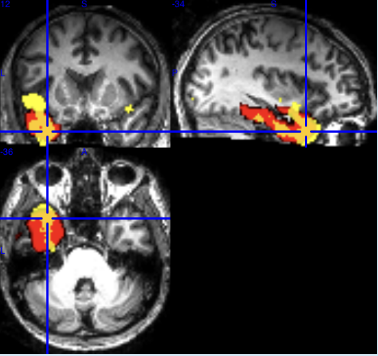
Identifying data-driven imaging biomarkers for neurological disorders with a special focus on epilepsy.
Tensor Methods
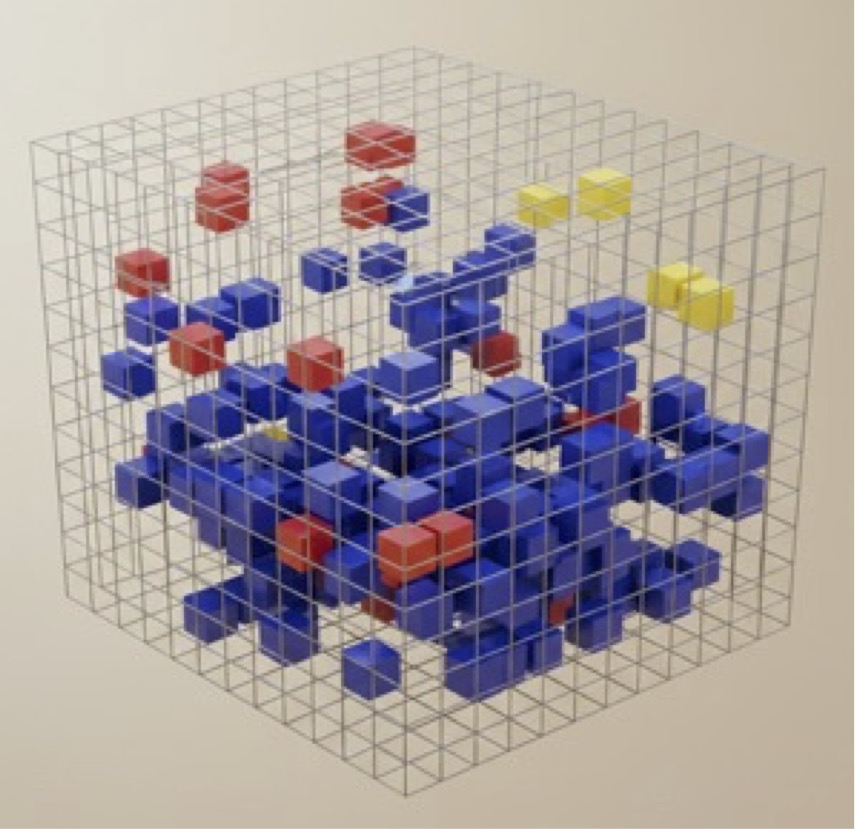
Advanced modelling of multi-dimensional data: decompositions, blind source separation and data fusion.
Clinical Translation

Our ambition is to bring AI tools into real-world clinical workflows.
Projects
NWO Vidi NeuroMark
Tensor-based network biomarker discovery
This project develops advanced tensor-based machine learning methods to identify network-level biomarkers in brain data, enabling improved diagnosis and treatment planning in neurological disorders.
Publications
Selected publications highlighting our key research contributions:
Brain Connectivity: From network science to tensor models
Authors: B. Hunyadi, S. Aviyente
Journal: IEEE Signal Processing Magazine
Year: 2025
Networks are the hallmark of brain function and their temporal evolution is a key aspect. In this tutorial we deep-dive into two complementary techniques - based on network science and tensor decompositions - to model temporal networks.
A Comprehensive Guide to Multiset Canonical Correlation Analysis and Its Application to Joint Blind Source Separation
Authors: I. Lehmann, B. Gabrielson, T. Hasija, T. Adali
Journal: IEEE Transactions on Signal Processing
Year: 2025
Multiset Canonical Correlation Analysis (mCCA) identifies correlated variables across multiple datasets and can be a powerful tool in neuroscience.
The impact of radiofrequency thermocoagulation on brain connectivity in drug‐resistant epilepsy: Insights from stereo‐electroencephalography and cortico‐cortical evoked potentials
Authors: J. Gula, R.J.Slegers, R. Van Hoof, B. Krishnan et al
Journal: Epilepsia
Year: 2025
Will local lesions created by radiofrequency thermocoagulation in epilepsy patients affect distant brain connectivity and excitability?
Team
Core Team
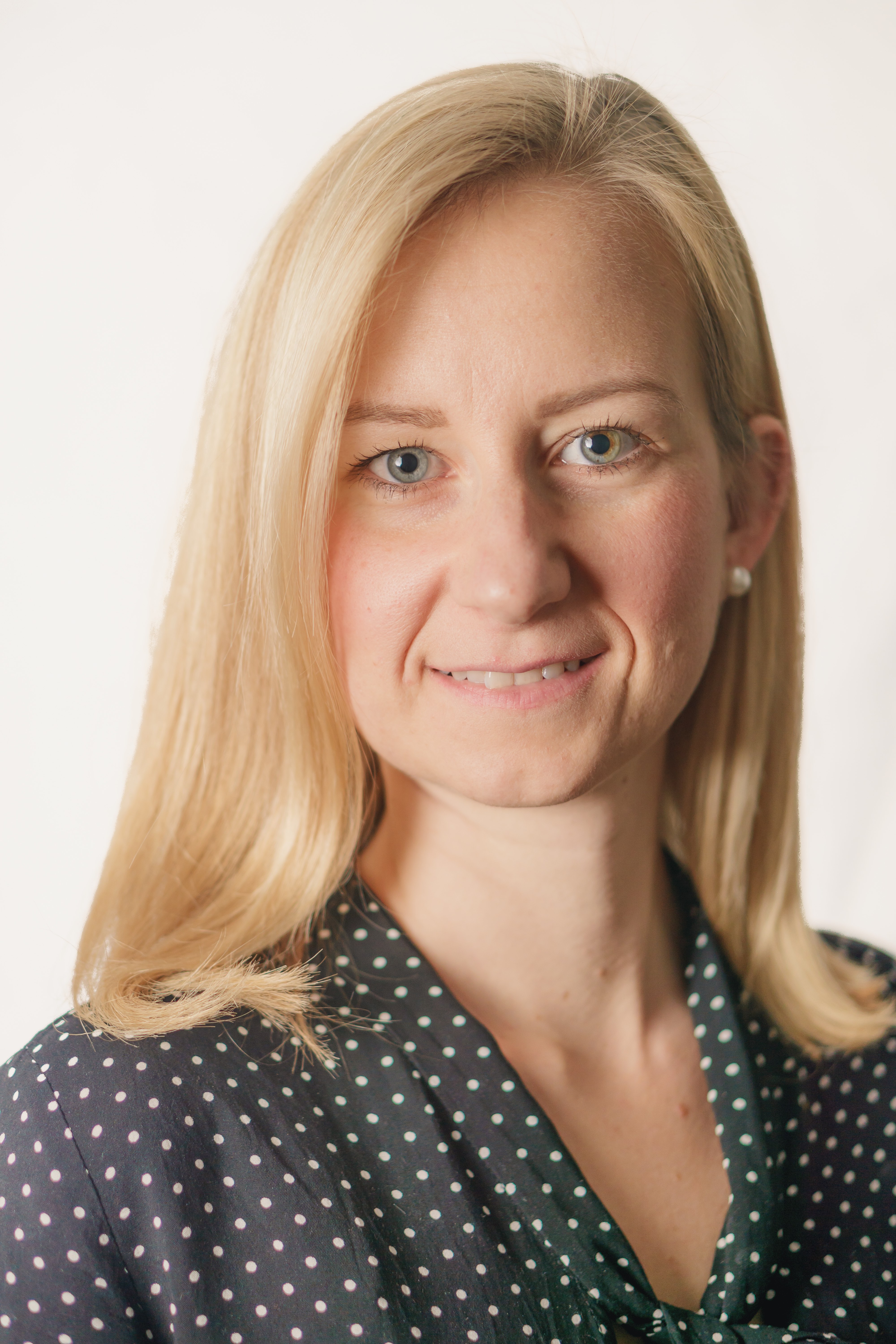
Dr Borbála Hunyadi
Principal Investigator
Associate professor, expert in signal processing for brain disorders.

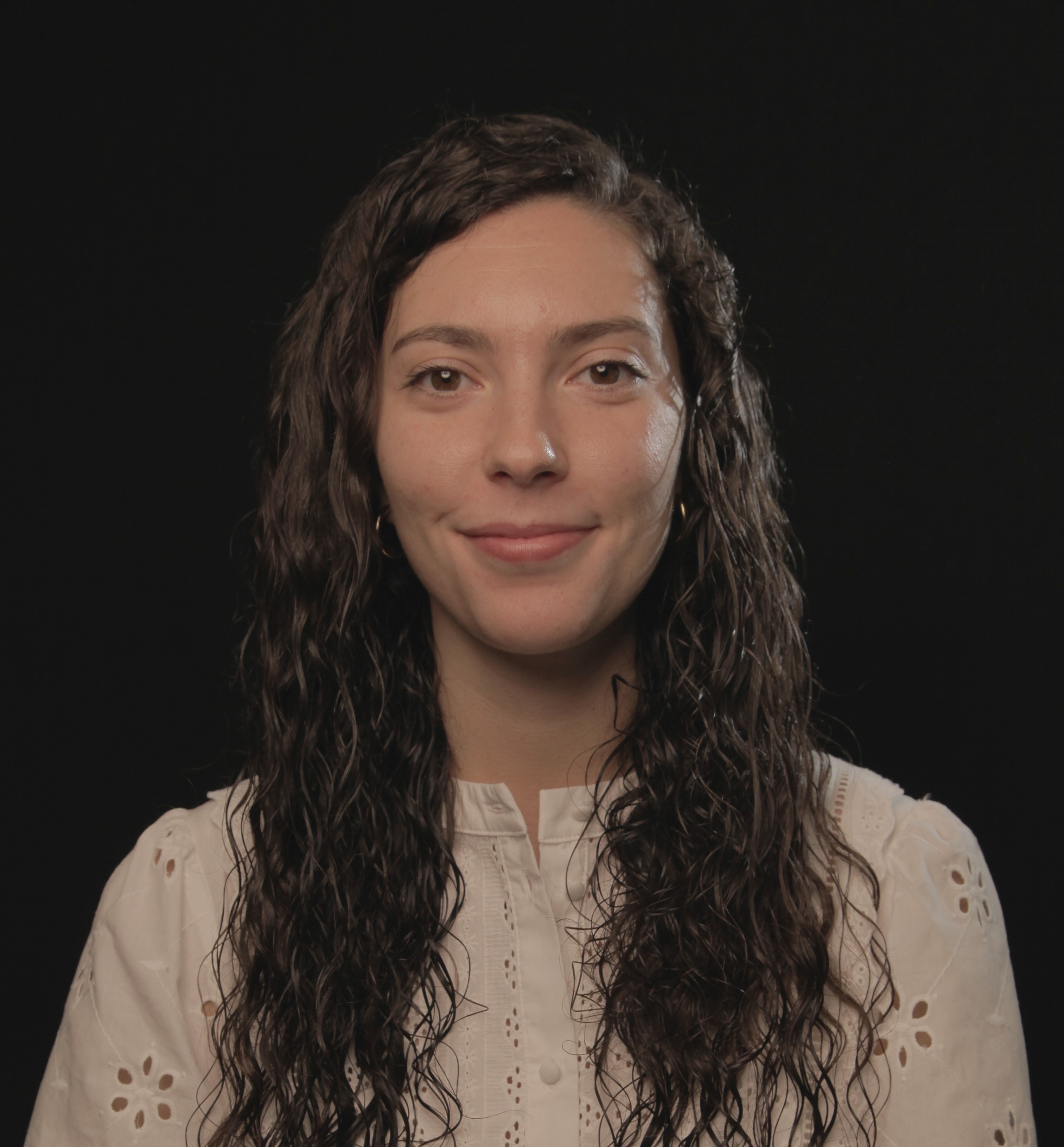
Affiliated Researchers
News
25 September 2026

New writing group for postdoctoral researchers
Isi launched a new university-wide writing group for postdoctoral researchers, supported by the UM Postdoc Network.
4 September 2026
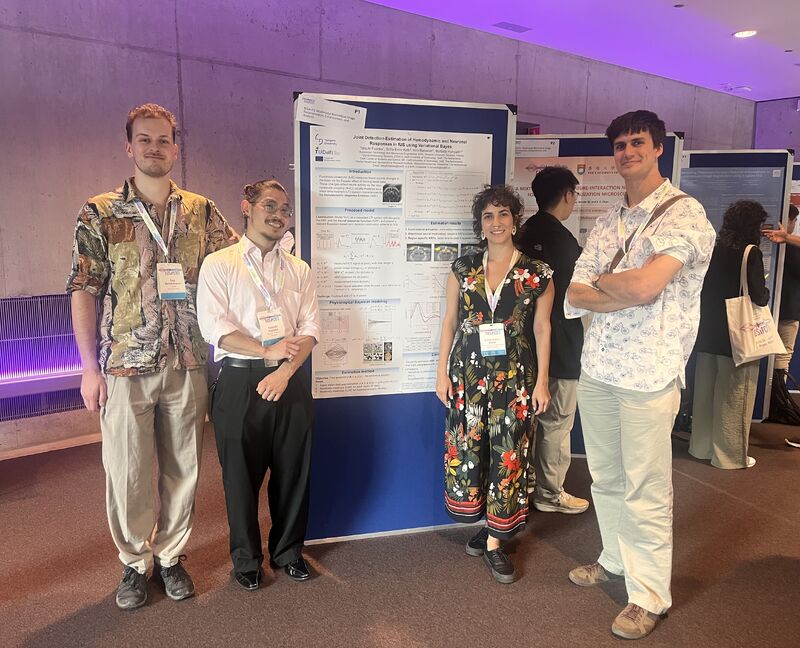
Our research at EUSIPCO 2026
Four students supervised by Bori presented their work at EUSIPCO 2026 in Bruges, covering temporal brain networks, tensor-based Hidden Markov Models, and functional ultrasound imaging.
14 July 2026

Plenary speech at IEEE SAM
Bori gave a plenary speech at the IEEE Sensor Array and Multichannel Signal Processing (SAM) Workshop.
Contact
SPARCliN Lab
Maastricht University
Department of Neurosurgery
Faculty of Health, Medicine and
Life Sciences
Mental Health and Neuroscience Research Institute (MHeNs)
Email: borbala.hunyadi [at] maastrichtuniversity [dot] nl